

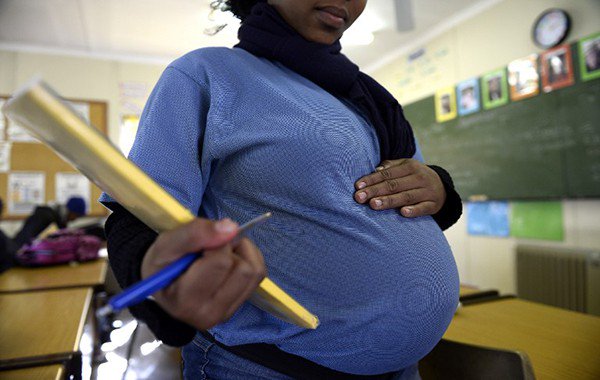
Between January and July 2026, Ghanaian health facilities registered over 53,000 adolescent pregnancies, with 1,501 cases occurring among children aged 10 to 14. Sharifa Mohammed, Programme Manager for Adolescent Health and Development at the Ghana Health Service (GHS), shared these statistics during a national dialogue on teenage pregnancy in Accra on September 14. She noted that the current trajectory aligns with the country’s typical annual rate of over 100,000 teenage pregnancies.
Emphasising the protective role of education, Ms. Mohammed cited findings indicating that out-of-school girls face a significantly higher risk of pregnancy, reinforcing the 2022 Ghana Demographic and Health Survey data showing that 15.2% of girls aged 15–19 have experienced pregnancy. She stressed that behind these numbers are young lives whose health, education, and future opportunities remain at stake without adequate intervention.
Regional statistics reveal a heavily disproportionate impact in the Savannah Region, where the adolescent birth rate stands at 117.5 per 1,000 girls—exceeding the Sub-Saharan African average of 104 per 1,000. According to Ms. Mohammed, the Bole District within Savannah recorded an exceptionally high rate of 230 births per 1,000 girls aged 18 to 19. The Upper East Region has similarly seen elevated figures, logging over 2,400 teenage pregnancies in the first five months of the year, with roughly 520 occurring in the Bongo District alone.
To address these vulnerabilities, the Ghana Health Service (GHS) has operated its “Safety Net” initiative since 2017. The program provides specialised maternal and reproductive healthcare, counselling, and social service referrals, while collaborating with the Ghana Education Service (GES) to help young mothers resume their education.
For girls who are unable to return to formal education, Ms. Mohammed stated that the Ghana Health Service (GHS) could connect them with civil society organizations and other resources to help them develop vocational and livelihood skills. The GHS reports that it has reached over 310,000 young people this year with information on sexual and reproductive health. Additionally, around 54,000 pregnant adolescents have received various services.
Clara Nyarkoah Anim, Programme Manager at MSI Reproductive Choices Ghana (MSIG), explained that teenage pregnancy is influenced by a combination of factors. She highlighted issues such as education, access to information and services, gender and social norms, and poverty as significant contributors to the problem. Although Ghana has policies, strategies, and programs aimed at reducing teenage pregnancy, she emphasized that the greater challenge lies in the effective implementation, coordination, and funding of these measures, along with ensuring accountability for their execution.
Ms. Anim also mentioned that young people should have a more prominent voice in shaping initiatives to tackle teenage pregnancy, as their personal experiences can provide policymakers with valuable insights into the challenges they face.

