
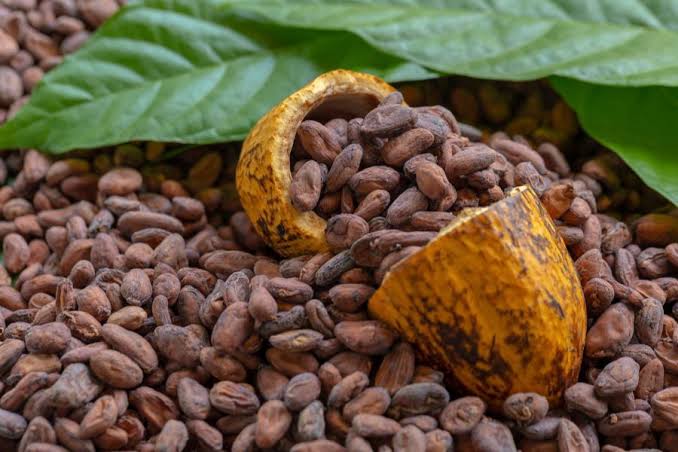
The government has announced plans to ensure that all of Ghana’s cocoa is processed locally by 2030, in a move aimed at boosting value addition, expanding agro-processing and retaining a larger share of the economic benefits within the country. The target, contained in the 2027 Budget Statement presented by Finance Minister Dr. Cassiel Ato Forson, requires Ghana to process at least 50 per cent of its cocoa domestically by 2028, with full local processing expected to be achieved by 2030.
The policy falls under the Government’s Commercial Agriculture pillar, which is designed to transform the agricultural sector into a commercially driven and industrially oriented industry. As part of the initiative, the government plans to expand the country’s cocoa processing capacity beyond basic grinding to the production of cocoa liquor, butter, cake, powder, chocolate, cosmetics and other finished products.
According to the budget statement, Ghana must capture a greater proportion of the value generated from its cocoa industry, rather than continue to depend largely on the export of raw beans. It emphasised the importance of increasing the participation of local businesses, researchers, brands and skilled workers across the cocoa value chain. The initiative is expected to boost domestic agro-processing, create opportunities for Ghanaian businesses and increase the economic returns from cocoa before products reach international markets.
The government also plans to gradually phase out the export of raw cocoa beans as the country transitions towards a more value-added cocoa industry. The cocoa value-addition programme is among eight integrated industries identified under the US$3 billion Commercial Agriculture pillar of the broader New Economy Programme.
Other priority areas include rice, sugar, poultry, maize and soya feed, aquaculture, oil palm and vegetables. The budget statement explained that the wider agricultural programme would establish stronger links between production, processing, packaging, transportation, institutional purchasing, retail distribution and exports.
It added that the initiative seeks to position agriculture as a major driver of rural prosperity, industrial raw material supply, employment creation and national economic growth. Overall, the programme is expected to increase domestic agricultural production and processing, strengthen agro-industrial development and contribute to improved food security.
GNA

