
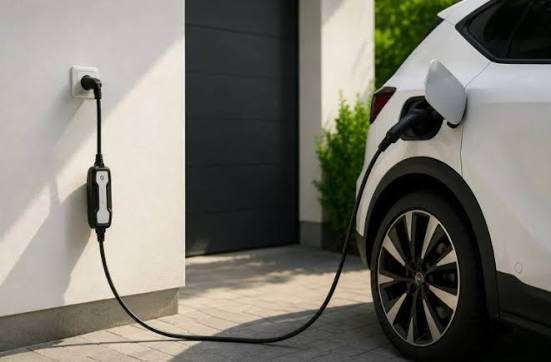
The Energy Commission has warned electric vehicle (EV) owners against charging their vehicles using inappropriate domestic electrical sockets, cautioning that unsafe connections and improper installations could result in overheating, electrical fires and electrocution.
The Commission stressed that as the adoption of electric vehicles continues to grow in Ghana, it is essential to develop safe charging infrastructure and ensure that charging equipment is professionally installed to minimise electrical risks.
The warning was delivered by Mohammed Mikdad, Head of Investment and Partnership at the Energy Commission, who spoke on behalf of the Commission’s Chief Executive Officer at the Chartered Institute of Logistics and Transport (CILT) 2026 NextGen Summit in Accra last Friday. He called on transport operators, fleet managers, businesses and homeowners to prioritise certified electrical installations and adhere to safety standards when setting up EV charging facilities.
The summit, held under the theme, “Smart Logistics, Sustainable Futures: Leveraging Digitalisation to Solve Urban Last-Mile Challenges”, also witnessed the launch of CILT Ghana’s Student Membership Programme. The initiative seeks to bridge the gap between academic training and industry practice by connecting students studying logistics, transport planning, supply chain management, procurement, and ports and shipping administration with relevant industry opportunities.
Mr. Mikdad further cautioned that the increasing use of electric vehicles would place additional pressure on the national electricity grid, warning that the transition to electric mobility must not outpace the country’s power distribution capacity and available technical expertise. “An electric vehicle is not simply another vehicle that happens to use electricity. Charging an electric vehicle through an unsuitable domestic socket or an electrical circuit that was not designed to accommodate the additional load can create serious risks, including overheating, electrical fires and electrocution,” he stated.
He also underscored the need for investment in skilled technicians to support Ghana’s transition to electric mobility, particularly in the installation, maintenance and servicing of EV charging systems. Additionally, he urged stakeholders to develop the technical capacity and appropriate systems for the safe handling, management and recycling of used electric vehicle batteries to ensure the sustainability of the country’s emerging electric mobility sector.
More professionals
During the launch of the program, Alhaj Saaka Dumba, President of CILT Ghana, urged universities and industry stakeholders to contribute to preparing young people for careers in the transport and logistics sector. He stated, “Investing in young people is investing in the future. The students and young people present here today hold the key to the innovation, progress, and positive change that we need in our supply chain, logistics, and transport sector.”

