
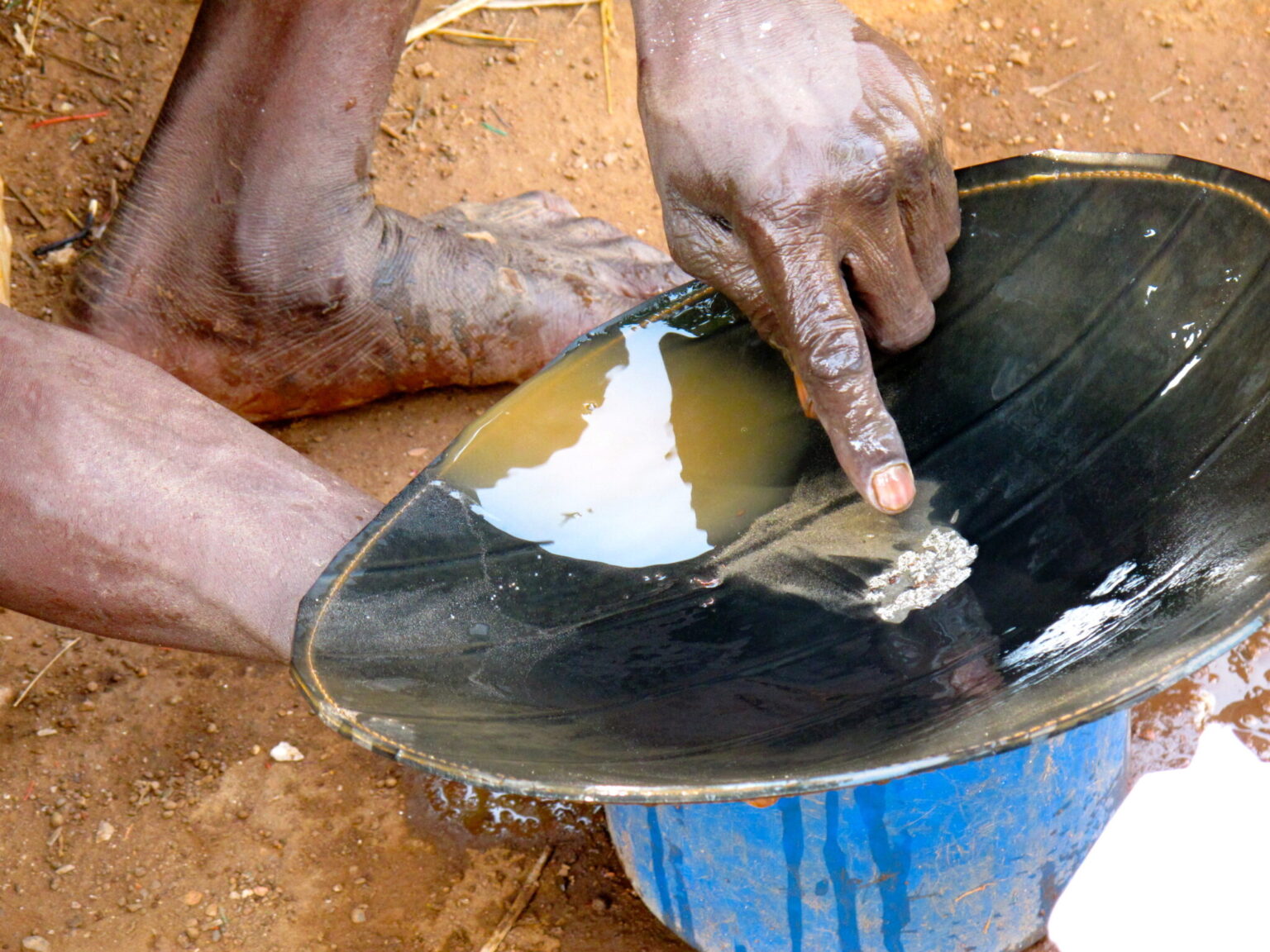
The Chief Executive Officer of Smart Innovation Ghana Limited, Dr Sylvester Akpah, has urged authorities to strengthen the enforcement of existing mining regulations and promote alternative technologies to minimise, and ultimately eliminate, the use of mercury in artisanal and small-scale gold mining.
He disclosed that Ghana receives an estimated 42.5 to 62 tonnes of mercury annually through illegal channels, with much of the substance finding its way into small-scale mining operations. He warned that the practice poses serious threats to the country’s water bodies, the environment and public health.
Dr Akpah made the remarks at a symposium organised by the United States Embassy in Accra under the Ambassador’s Water Experts Programme for West and Central Africa. According to him, mercury continues to enter Ghana through unidentified routes despite regulatory controls at the country’s ports, with mining communities serving as the main destinations for the toxic chemical.
He noted that more than 2.5 million people rely directly or indirectly on small-scale mining for their livelihoods, making the uncontrolled use of mercury an increasingly serious environmental and public health issue. Dr Akpah identified the Western, Ashanti, Eastern and Central regions as some of the areas most affected by mercury pollution, with several water bodies reportedly suffering contamination.
He specifically highlighted Tarkwa and its surrounding communities as facing considerable environmental pressure, cautioning that persistent pollution could threaten access to safe drinking water. He also pointed to the lack of a dedicated national directorate responsible for supervising mercury use and enforcing related regulations in the mining industry as a major gap in Ghana’s efforts to tackle the problem.
Dr Akpah further warned that miners and residents in mining communities faced continuous exposure to mercury through routine gold-processing activities. Such exposure, he explained, could cause serious damage to vital organs, including the kidneys, lungs and brain.
On possible solutions, he said gold-catching technologies could provide an effective alternative to mercury-dependent gold recovery methods. However, he expressed concern that the adoption of these technologies remained low, despite investments made in importing the equipment.
He also stressed that although Ghana is a signatory to the Minamata Convention on Mercury, an international agreement designed to protect human health and the environment from mercury pollution, weak enforcement continues to undermine efforts to achieve its objectives.

