
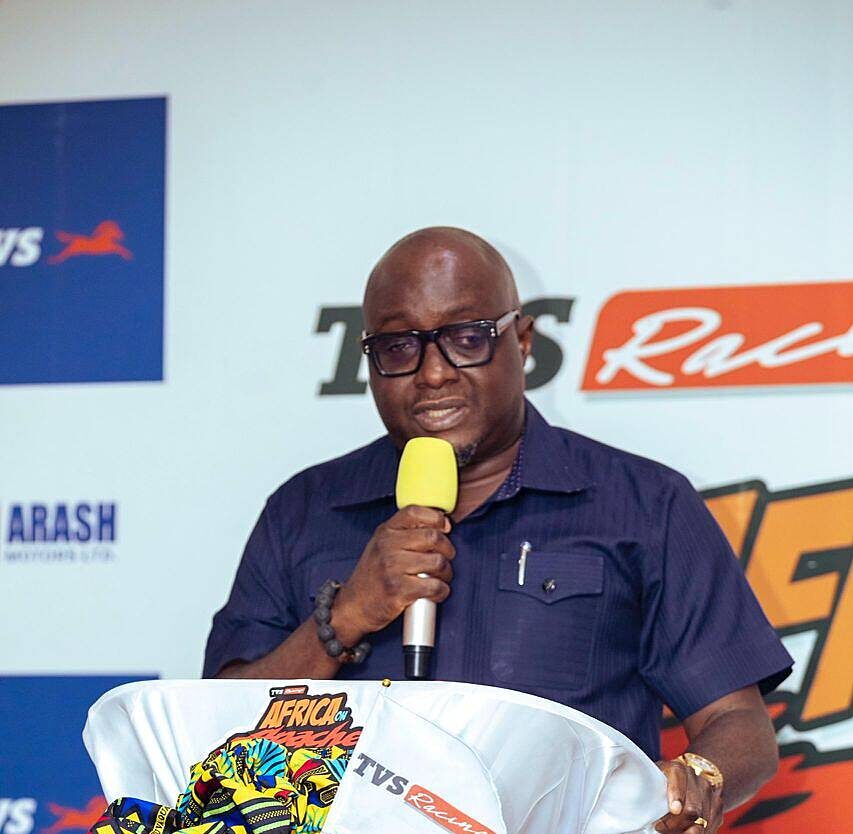
Ghana’s former High Commissioner to India, Mike Oquaye Jnr., has urged the country to uphold its non-aligned foreign policy, insisting that its support for Palestine should not be misconstrued as a shift in allegiance from the United States to Russia or China. He maintained that Ghana can sustain cordial diplomatic relations with major global powers while independently taking positions on international matters, including the ongoing Israeli-Palestinian conflict. Speaking on Good Morning Ghana on Metro TV on Wednesday, November 25, 2026, Oquaye Jnr. dismissed concerns that President John Dramani Mahama’s stance on Palestine could strain Ghana’s relationship with Washington.
To support his argument, he pointed to Britain and France, which have recognised Palestine as a state, noting that their decisions have not made them adversaries of the United States. He also cited Germany as an example of a country that maintains its own diplomatic positions without necessarily compromising its relationship with Washington. “The British and the French who have moved from such a position, albeit most recently, are they against America? No. The Germans, are they against America? No. So Ghanaians are definitely not against America. We are not,” he stated.
Oquaye Jnr. stressed that Ghana’s foreign policy decisions must be driven by national interest rather than external pressure or the need to identify with a particular geopolitical bloc. He further explained that although Ghana maintains friendly relations with countries belonging to both the BRICS and NATO groupings, it has not formally aligned itself with either organisation.
“Ghana is a non-aligned country. Ghana is a non-aligned country. We are friends with BRICS. We are friends with NATO, but we are not joining any of them, at least for now,” he said. According to him, any consideration of joining an international alliance must be informed by the potential benefits to Ghana and should reflect the collective interest and wishes of its citizens.
Defending Ghana’s support for Palestine, Oquaye Jnr. said the country’s position represents solidarity with people experiencing violence, displacement and humanitarian hardship. He argued that criticism of Israel’s military operations in Gaza should not be interpreted as hostility towards the American people, even though the United States maintains strong military and diplomatic ties with Israel.
He added that the conflict has also generated growing debate within the United States, with some sections of the American population questioning the use of their country’s resources in supporting the war. He therefore urged that the Palestinian question be assessed based on its humanitarian and legal implications rather than framed as a diplomatic contest between countries and their respective international allies.
His comments follow a statement by the Embassy of the State of Palestine in Accra expressing appreciation to Ghana, particularly President John Dramani Mahama, for supporting United Nations General Assembly resolutions on issues concerning Palestine. The resolutions covered the renewal of the mandate and operations of the United Nations Relief and Works Agency for Palestine Refugees in the Near East (UNRWA), the rights and properties of Palestinian refugees, and the legal consequences of Israeli settlement activities in occupied Palestinian territory.
The Palestinian Embassy described Ghana’s support as a demonstration of its commitment to international law and the Palestinian people’s right to self-determination.` Oquaye Jnr. maintained that Ghana must continue to pursue an independent foreign policy, defend its positions on global issues and preserve diplomatic relations with major international partners without compromising its national interests.

