
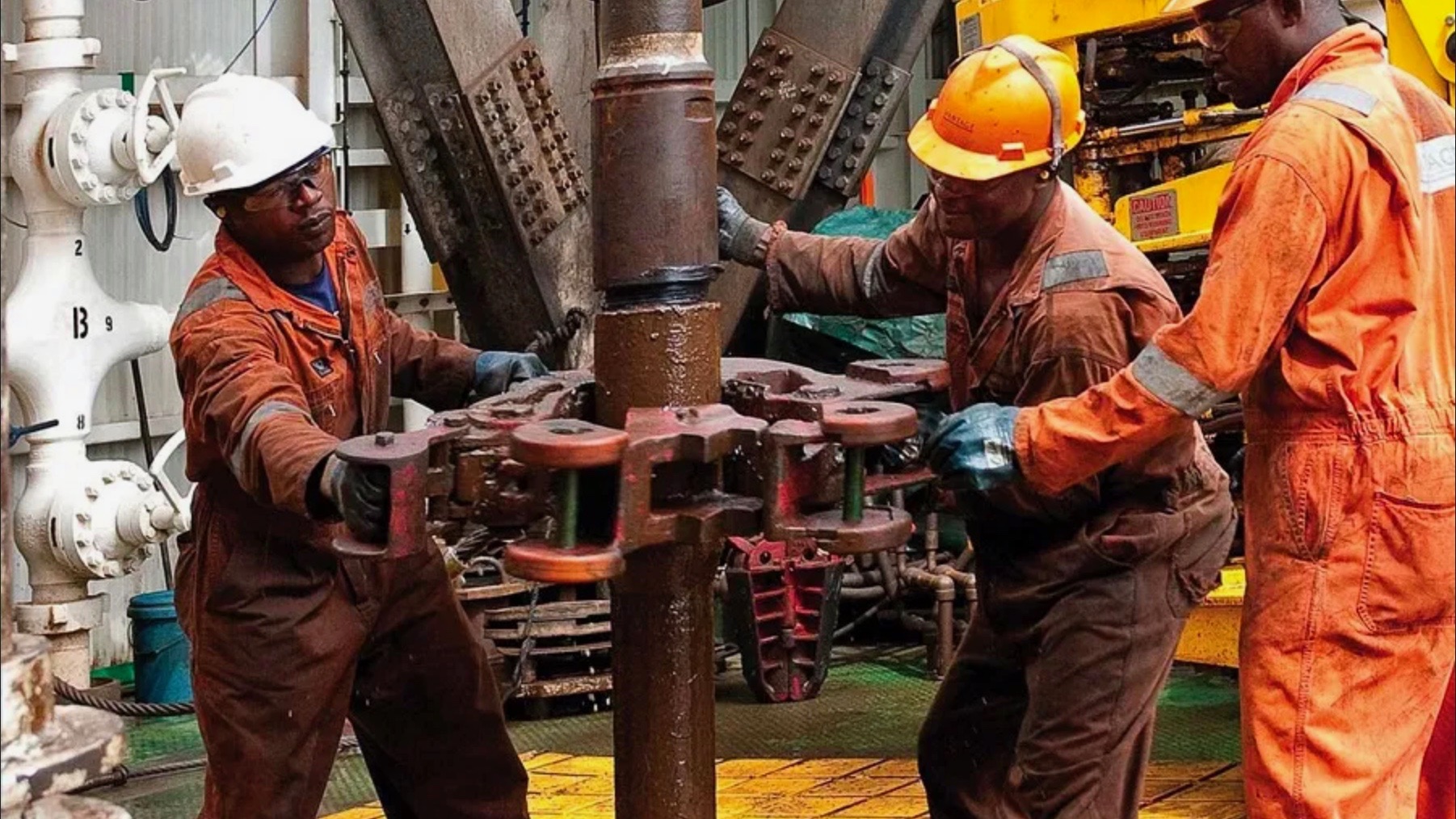
The General Transport, Petroleum and Chemical Workers’ Union (GTPCWU) has issued a warning of a nationwide strike if Parliament approves the National Petroleum Authority (NPA) Bill, 2026, in its current form. The union expressed concerns that a crucial clause could undermine BOST Energies, jeopardise jobs, and threaten Ghana’s energy security. In a statement signed by its National Chairman, Bernard Owusu, the union stated that Clause 103 of the proposed legislation might weaken the operations of the state-owned petroleum storage and transportation company.
What Clause 103 proposes
Clause 103 proposes allowing private-sector operators to develop, manage and maintain inland petroleum depots, effectively ending the exclusive mandate currently held by BOST Energies. The union has expressed concern that the proposed change could shift business away from the state-owned company, potentially leaving its existing infrastructure underutilised and threatening jobs.
To demonstrate the potential impact, the union cited the company’s recent employment growth, noting that BOST Energies expanded its permanent workforce from 440 employees in 2024 to 743 by November 2025. This represented an increase of 303 permanent, unionised jobs in support of the government’s 24-Hour Economy programme.
The union fears that the company could be compelled to reduce its workforce by nearly half if private depot operators capture a significant share of the volumes currently handled through the national network. It also warned that private investors might concentrate their operations on more commercially attractive southern routes, potentially undermining the reliability of petroleum supply to communities in northern Ghana.
Although the workers maintain that they are not opposed to private-sector investment, they insist that such participation should be facilitated through partnerships with BOST Energies in accordance with the Public-Private Partnership Act, 2020.
The union further argued that the proposed legislation places BOST Energies at a commercial disadvantage because the company is not permitted to sell petroleum products directly to Oil Marketing Companies (OMCs), while private operators would be allowed to establish and operate competing inland depots. “The Bill opens BOSTenergies’ inland depot role to private participation but does not give the State company equivalent commercial freedom,” the union stated.
Earlier engagements
The GTPCWU said it has previously petitioned President John Dramani Mahama, engaged the Energy Ministry, and submitted proposed amendments to Parliament. It said it remains dissatisfied that the Bill has returned to Parliament without the changes it requested.
Demands and the strike threat
The union is demanding:
- a revision of Clause 103;
- publication of the final stakeholder engagement report; and
- release of the Ministry’s impact assessment on the proposed changes.
It is also asking for the approval of private inland depots to be suspended until its concerns are addressed. “If the concerns remain unresolved and the Bill proceeds in its current form, the Union will mobilise its members at BOSTenergies and across the downstream petroleum sector for a nationwide strike,” it said. No date has been announced for the proposed industrial action.

