
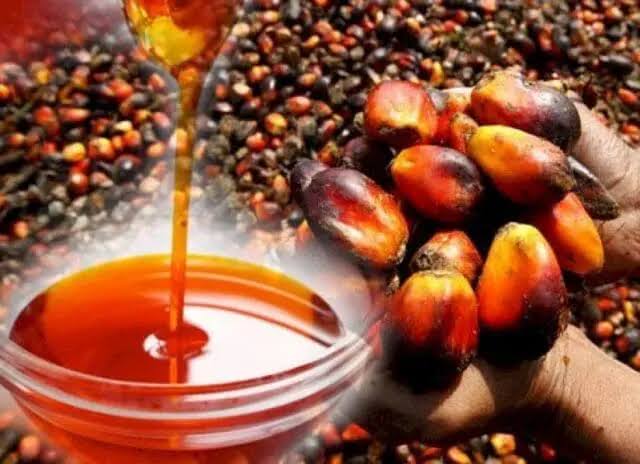
The Oil Palm Development Association of Ghana (OPDAG) has urged the government and security agencies to intensify efforts to enforce existing laws and regulations to curb the smuggling of palm oil products into the country. The Association’s President, Mr Paul Amaning, said the illegal importation of palm oil from neighbouring countries and beyond was undermining Ghana’s local oil palm industry, making it increasingly difficult for farmers and processors to compete with cheaper smuggled products.
He stressed the need for stronger government commitment and decisive action to address the situation and protect local businesses. Mr Amaning made the appeal during a working visit by the Association’s executives to Benson Oil Palm Plantation (BOPP), Norpalm Ghana Limited and selected smallholder oil palm processing companies in the Western Region. The visit provided an opportunity to discuss challenges confronting the industry and explore possible solutions.
According to him, Ghana loses approximately GH¢366 million annually in potential import duty revenue due to palm oil smuggling, a situation that also threatens the long-term sustainability of the domestic oil palm sector. He explained that smugglers bring palm oil from Malaysia and Indonesia through Togo into Ghana without paying the required duties, enabling them to sell their products at lower prices than locally manufactured alternatives.
“This makes locally produced palm oil more expensive on the market, putting our members at a disadvantage and negatively affecting their sales,” he said. He therefore appealed to the government to introduce effective measures, particularly at the country’s entry points and ports, to prevent the illegal trade and ensure that Ghanaian oil palm businesses received fair returns on their investments while contributing meaningfully to national development.
Mr Amaning also disclosed that OPDAG, in collaboration with the Tree Crop Development Authority (TCDA), was preparing to introduce a Traceability and Revenue Assurance System to tackle the smuggling menace.
He explained that the proposed system would involve the use of QR codes on every litre of palm oil to improve product traceability, build consumer confidence, prevent adulteration and ensure the appropriate taxation of products to boost government revenue. Meanwhile, the Acting General Manager of BOPP, Mr Kwasi Baah Ofori, also called on the government to take stronger action against the smuggling of palm oil to safeguard the industry, protect jobs and sustain the livelihoods of farmers and workers.
He said although the company had observed a slight reduction in the importation of smuggled edible oil, more decisive interventions were needed to address the challenge. “Our major concern is the importation of smuggled edible oil. Although we have seen a marginal decline, we urge the government to intensify its efforts so that we can continue providing sustainable employment for farmers and workers and ensure the industry continues to grow,” he stated.
Some oil palm farmers who spoke to the Ghana News Agency (GNA) also expressed concern about the impact of smuggling on their livelihoods and called on the relevant authorities to take urgent steps to address the problem. Mr Samuel Arko, an oil palm farmer from Agona-Nkwanta in the Ahanta West Municipality, said the sale of cheaper smuggled palm oil was affecting the ability of local processing companies to purchase produce from farmers.
He explained that processors were struggling to sell their locally produced oil because of competition from cheaper smuggled alternatives, leaving farmers with limited opportunities to sell their harvested produce. “Because the smugglers sell their palm oil at lower prices, local processing companies struggle to sell their products and, consequently, are reluctant to buy from us. Imagine harvesting about seven tonnes of oil palm and having no buyer,” he lamented.
Mr Arko appealed to the government to take firm action against the illegal practice to protect farmers’ investments, strengthen the local oil palm industry and improve their livelihoods.

