
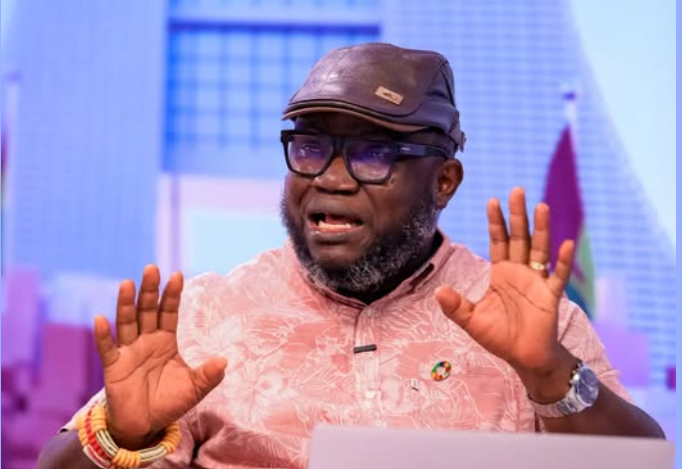
Former Chief Executive Officer of Graphic Communications Group, Dr Ken Ashigbey, has called for a clear distinction between professional journalists and individuals he described as charlatans masquerading as media practitioners.
Speaking on Joy News’ PM Express on Monday, he said efforts to provide financial support to the media industry must also promote professionalism, strengthen ethical standards and reward responsible journalism. “We need to find a way in which we separate the charlatans who are just pretending to be media practitioners from those who are actually doing the media job,” he stated.
His comments followed a proposal by the Executive Secretary of the National Media Commission (NMC), George Sarpong, for the introduction of an index to assess and track journalistic work. Dr Ashigbey endorsed the proposal, arguing that financial support should be directed towards practitioners who demonstrate professionalism and focus on issues critical to national development.
“They have demonstrated that they are dealing with issues that are of concern to our national development,” he said. The discussion comes in the wake of President John Dramani Mahama’s announcement of GH¢10 million in the 2027 national budget as seed funding for the Media Development Fund. The reactivated fund is expected to support journalists’ welfare, professional training, investigative journalism, digital literacy and safety training.
Dr Ashigbey maintained that while self-regulation was necessary to tackle unprofessional practices within the industry, it must be complemented by measures that ensure media organisations remain financially viable and sustainable.
“We need to do that, but we also need to put in place the systems that will let media businesses thrive,” he said.
He called for experienced media management professionals to spearhead efforts to strengthen the industry, while expressing concern about the manner in which broadcast licences were being issued. “The issues where we are issuing out TV licences like confetti are things that we need to deal with,” he remarked.
He cautioned that limiting the reach of media organisations could undermine their operations, stressing the need to build adequately resourced newsrooms capable of delivering quality journalism. On the management of the Media Development Fund, Dr Ashigbey proposed a lean administrative structure supported by technology and supervised by a broadly representative board.
He said such an arrangement would promote transparency in the allocation of resources, attract additional funding and ensure that beneficiaries were selected based on demonstrated need and commitment to responsible journalism.
He further warned against making the fund the industry’s sole source of financial support, arguing that both commercially driven media organisations and public interest journalism had important roles to play. According to him, media entrepreneurs should be encouraged to establish sustainable businesses capable of creating employment, paying competitive salaries and contributing to national revenue through taxes.
Touching on proposals for legislation to regulate the working conditions of media practitioners, Dr Ashigbey argued that legislation alone would not address the industry’s underlying challenges. “But definitely, this bill alone is not going to solve the problem of a responsible, sustainable media entity,” he cautioned.

