
Policy Analyst at the Integrated Social Development Centre (ISODEC), Dr Adamu Braimah Abille, has described the Mahama administration’s US$10 billion New Economy programme as a commendable initiative but cautioned that its success will depend largely on effective implementation and the mobilisation of adequate financial resources to boost domestic production.
He said the programme offers Ghana an important opportunity to restructure its economy but stressed the need for government to ensure that the proposed investments translate into increased production, sustainable employment and improved living conditions. Speaking in an interview with Umaru Sanda Amadu on Channel One TV’s The Big Issue on Saturday, November 14, Dr Abille said although the policy direction was encouraging, a clearly defined implementation strategy was necessary to achieve its intended outcomes.
“The New Economy, the intention is very good, we have to say, but how is it going to be implemented?” he questioned. He emphasised the need for better coordination between fiscal and monetary policies to ensure that funds within the financial system are directed towards sectors considered essential to Ghana’s economic transformation.
“The government must make sure that the financial system that we are having… [has] coordination between the monetary policy and the fiscal policies to make sure that the credit is actually directed to where it’s supposed to go,” he said. Dr Abille warned that without proper coordination, the programme could fall short of its objectives, particularly if commercial banks continued to channel a significant proportion of their lending towards commerce and trade instead of productive sectors.
Using agriculture as an example, he noted that the sector receives only 11 per cent of private sector credit, arguing that a significant shift in lending patterns would be necessary to achieve meaningful structural transformation. “We have to make sure that a high percentage of [bank lending] goes into the critical sectors that we are talking about currently,” he stressed.
The policy analyst also drew lessons from Germany, where community banks play a significant role in directing financial resources towards sectors that drive economic development. He argued that Ghana must develop an effective system for determining how credit is distributed to businesses and enterprises operating within the government’s priority sectors.
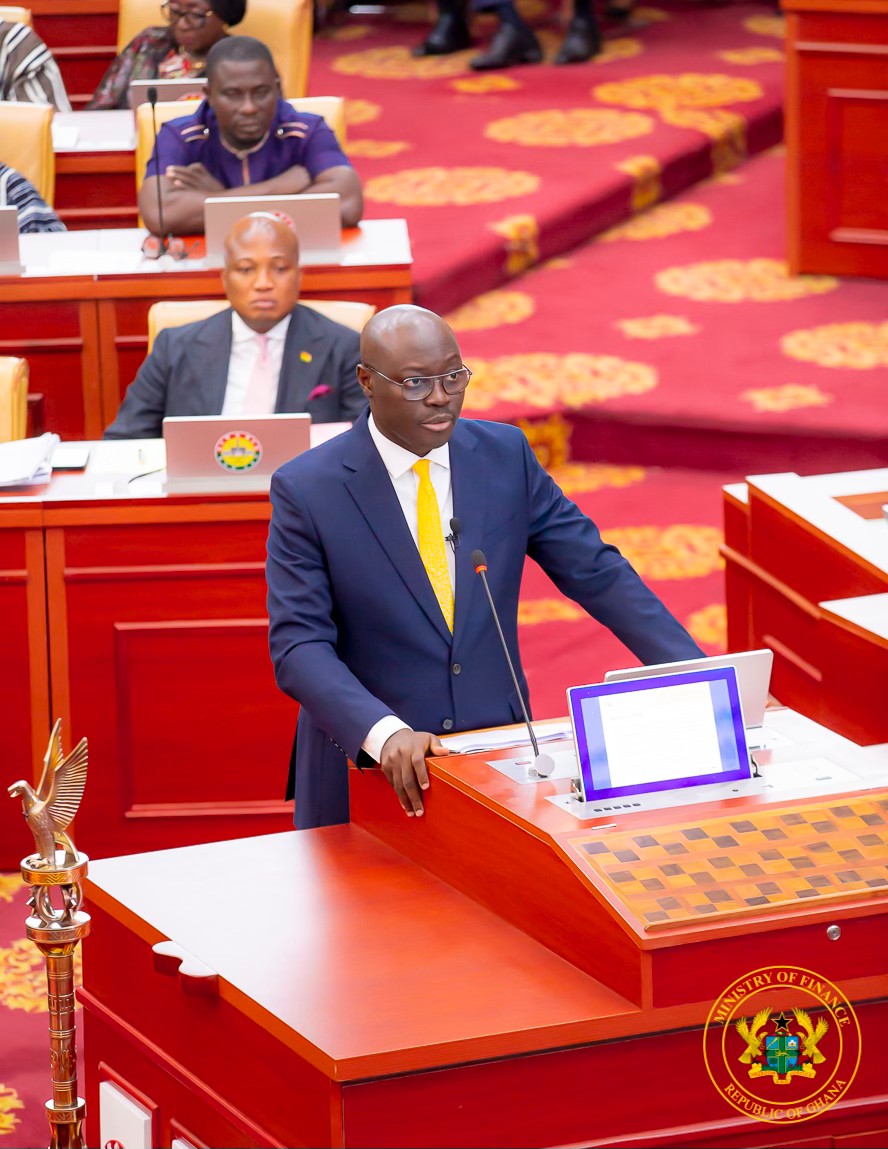
Dr Abille’s comments follow Finance Minister Dr Cassiel Ato Forson’s presentation of the 2027 Budget Statement and Economic Policy to Parliament on Thursday, November 12, during which he outlined the government’s four-year, US$10 billion New Economy programme.
The initiative seeks to reposition Ghana as a production-led economy through strategic investments in eight priority areas: Macroeconomic Stability and Affordable Finance; Commercial Agriculture; Energy Infrastructure; Critical Minerals Value Addition; Tourism, Culture and Creative Arts; Textiles and Garments; Pharmaceuticals and Biomanufacturing; and the Technology Economy.

