
The National Coalition for Proper Human Sexual Rights and Family Values is calling for a nationwide audit of child protection and safeguarding systems in schools, as well as the creation of a national sex offenders register, following allegations of sexual abuse at Obuasi Senior High Technical School. The coalition believes the allegations point to deeper weaknesses in Ghana’s child protection system, particularly in boarding schools where students are entrusted to the care and supervision of teachers and school administrators.
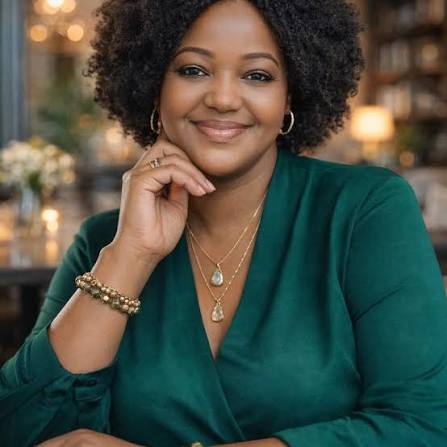
Speaking on the Asaase Breakfast Show on Friday, November 6, Chief Operating Officer of Advocates of Christ Ghana and Executive Member of the Coalition, Eyram Bashan, said the reported abuse should not be viewed simply as an isolated case involving an alleged perpetrator. Instead, she described it as evidence of institutional failures that may have allowed the alleged abuse to continue without timely intervention.
“One of the concerns had been how come this had gone on for so long? Persons or duty bearers whose responsibilities had been to take care of these students had been in the mood,” she said. Bashan questioned why school authorities and other individuals responsible for students’ welfare allegedly failed to escalate complaints or take appropriate action, despite the number of students reportedly affected. She said more than 16 victims had come forward to share their experiences, warning that the actual number could be higher because some survivors might be unwilling or afraid to speak out.
“We believe that what the SHS is, it’s more of a huge systemic failure than just zooming in on one notorious offender,” she said. In response, the coalition is advocating a comprehensive assessment of safeguarding arrangements in both public and private schools, covering basic and secondary education institutions. Bashan stressed that every school should have clearly established child protection policies, which must be communicated to parents, students and teachers at the beginning of each academic year.
She also called for the appointment of professionally trained and independent child protection officers to receive complaints, assist affected students and ensure that concerns are addressed without interference from school management.
According to her, these officers should operate independently of the heads of the institutions where they are stationed to guarantee that students can report abuse safely and receive the necessary support. She argued that schools must establish clear reporting channels, particularly in situations where complaints involve teachers, headmasters or other senior officials.
“An institution that has found a wrong thing cannot seek and investigate itself,” she said, calling for independent investigations and clearly defined procedures for escalating complaints to the appropriate authorities. Bashan further advocated background checks on teachers during recruitment, including the establishment of a system to identify individuals who have previously faced allegations or disciplinary action relating to sexual offences.
She said safeguarding records should also become part of the criteria for assessing the performance of senior high schools, rather than relying predominantly on academic achievements. According to her, institutions should not be considered high-performing solely because of their examination results while concerns about the safety and welfare of students remain unresolved.
The coalition also wants the Ministry of Education, the judiciary and other relevant institutions to collaborate through a multi-stakeholder platform to address sexual abuse in schools. Bashan said the recurring nature of such allegations warranted a coordinated national response, including stronger investigative procedures, victim protection and access to psychological support.
She further emphasised that child protection policies must extend to both boys and girls, noting that societal expectations about masculinity often prevent male survivors of sexual abuse from speaking out. According to her, boys who report sexual abuse are sometimes mocked or made to feel that the experience should have been pleasurable, further discouraging them from seeking help.
“When the guys come out and they are shouting that they have been abused, we shouldn’t treat it as a laughable matter,” she said. Bashan maintained that every victim deserves equal protection, care and support, irrespective of gender, social background or personal circumstances.
She also praised investigative journalist Manasseh Azure Awuni for bringing the allegations to light and called on media organisations to commit more resources to investigative journalism to uncover abuse and expose institutional shortcomings. The coalition, she said, was ready to organise a stakeholder conference bringing together government agencies, educators, medical practitioners, psychologists and other relevant professionals to assess weaknesses in Ghana’s child protection systems.
She explained that the proposed meeting would prioritise identifying practical measures to address the gaps rather than focusing on apportioning blame. Bashan further disclosed that the coalition had previously partnered with the Ghana Education Service (GES) to train teachers on safeguarding students and remained open to expanding the collaboration as part of efforts to improve child protection in schools.

