
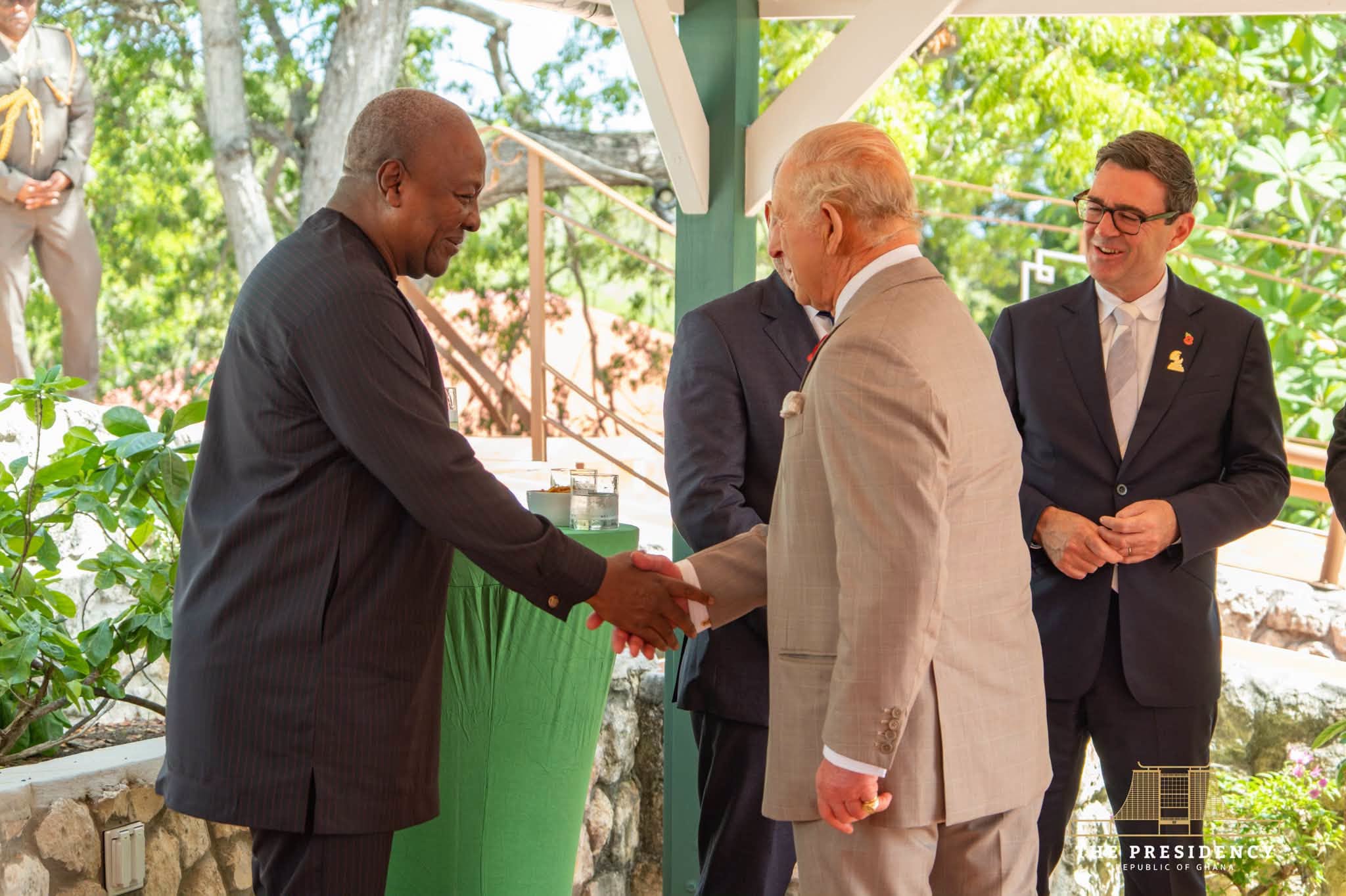
King Charles III, Head of the Commonwealth, has described the transatlantic slave trade as a deeply shameful period in human history, acknowledging that its painful legacy continues to affect Caribbean countries and other members of the Commonwealth. The monarch expressed personal sorrow over the atrocities and serious injustices committed during the slave trade, pledging to work with Commonwealth member states to confront its enduring consequences.
He made the remarks while addressing the 28th Commonwealth Heads of Government Meeting (CHOGM) in Antigua and Barbuda, where he emphasised the importance of learning from history and acknowledging past injustices. “History is not ours to choose or change. We cannot change the actions of those who came before us. We can, however, learn from the past,” King Charles III stated.
His comments come amid mounting calls for reparatory justice from Caribbean nations and advocacy groups. However, the King stopped short of offering a formal apology for Britain’s historical role in the transatlantic slave trade. He also identified education, job creation, economic opportunities, increased trade among Commonwealth countries and climate resilience as key areas for strengthening cooperation and improving the living conditions of disadvantaged communities.
The King’s intervention follows remarks by UK Prime Minister Andy Burnham ahead of the Commonwealth summit, indicating Britain’s willingness to consider a formal state apology for its involvement in the slave trade. Burnham called for honest conversations about the country’s historical role in human trafficking, urging leaders to stop “sticking our heads in the sand” over the issue.
The British Prime Minister also suggested exploring alternative forms of support for affected Commonwealth nations, including debt restructuring and more favourable repayment arrangements for the poorest countries. Reparatory justice has emerged as one of the major issues dominating discussions at this year’s Commonwealth summit, with Caribbean governments and campaign groups demanding historical recognition, accountability and tangible measures to address the lasting economic and social consequences of slavery.

